An Interdisciplinary Student Contest for Global Impact
CareDrone is a student-led, interdisciplinary contest hosted under the CITRIS umbrella, based at UC Santa Cruz.
Project Overview
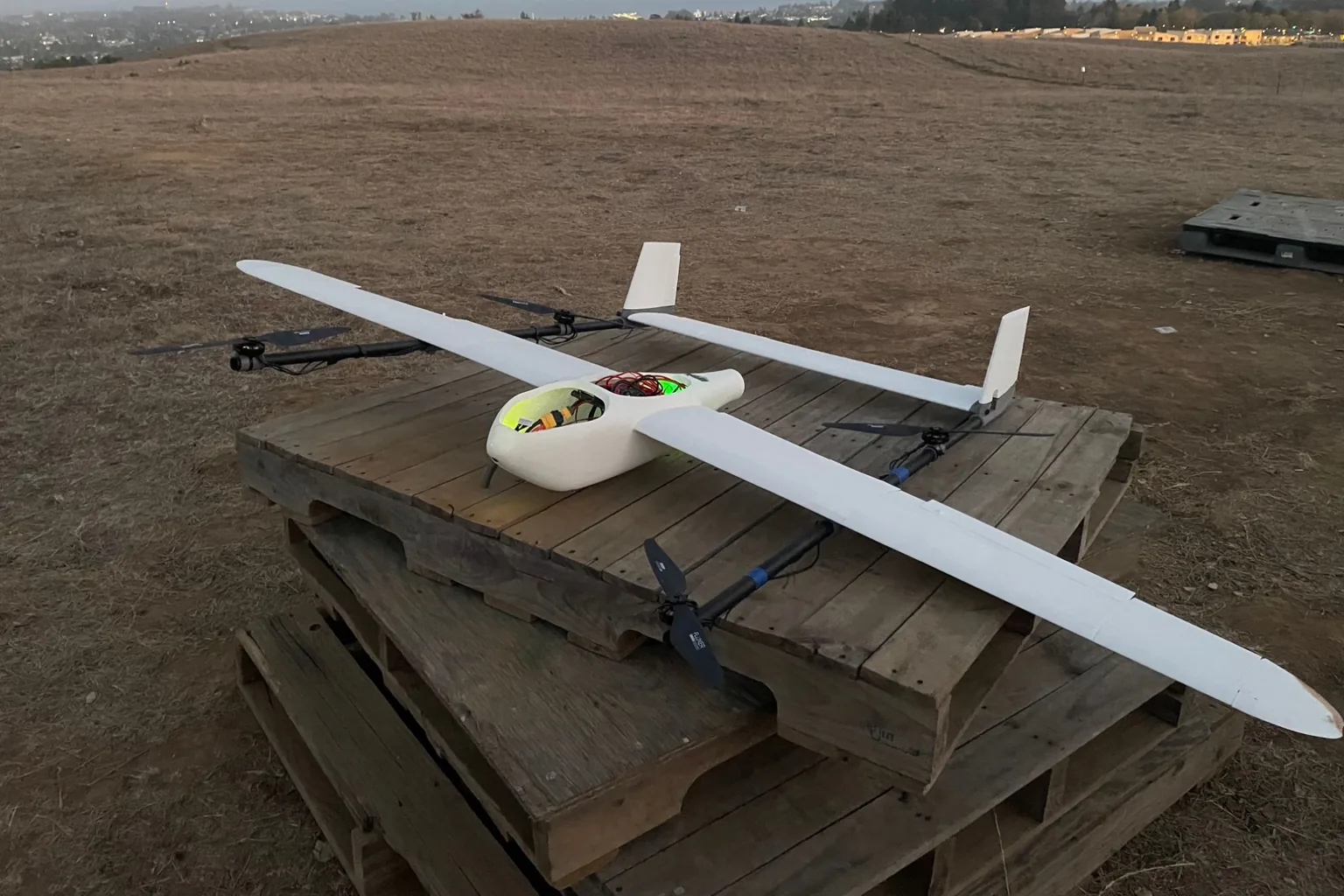
CareDrone is a student-led, interdisciplinary contest hosted under the CITRIS umbrella, based at UC Santa Cruz. This initiative will engage university and high school students in collaboratively designing and building open-source, fixed-wing drones optimized for real-world applications such as agricultural spraying, medical supply delivery, and environmental data collection.
Through the challenge structure, students will not only develop engineering skills but also explore the ethical, political, environmental, and sociological contexts of drone deployment in regions such as rural Africa and Latin America. By requiring interdisciplinary collaboration, CareDrone serves as a gateway to STEM for students from all backgrounds.
Oscar Pasotti Schoenman leads the project. Lakoi Takona, a drone entrepreneur with direct experience from drone deployments in Africa, connects the program with partners there.
What the contest sets out to do
Teams develop open-source, fixed-wing drones optimized for field application. The platform is designed to conduct medical delivery, carrying vaccines, blood and emergency supplies, and later extensions may reach agricultural use such as pesticide spraying and multispectral imaging, or environmental sensing of air quality, climate and soil moisture.
Each high school fields its own team, supported by UCSC students from technical and non-technical disciplines including engineering, environmental science, sociology, design and public health, and by UCSC faculty where they are available. As an extracurricular initiative the contest gives students hands-on technical experience along with practice in collaboration, project planning and design optimization, which are the competencies that college admissions and the job market ask for.
The top-performing design is intended to be tested in real-world contexts through field deployment in Africa, serving as validation and as an impact pilot, and that deployment forms part of the contest award package.
Field Deployment and Use Cases
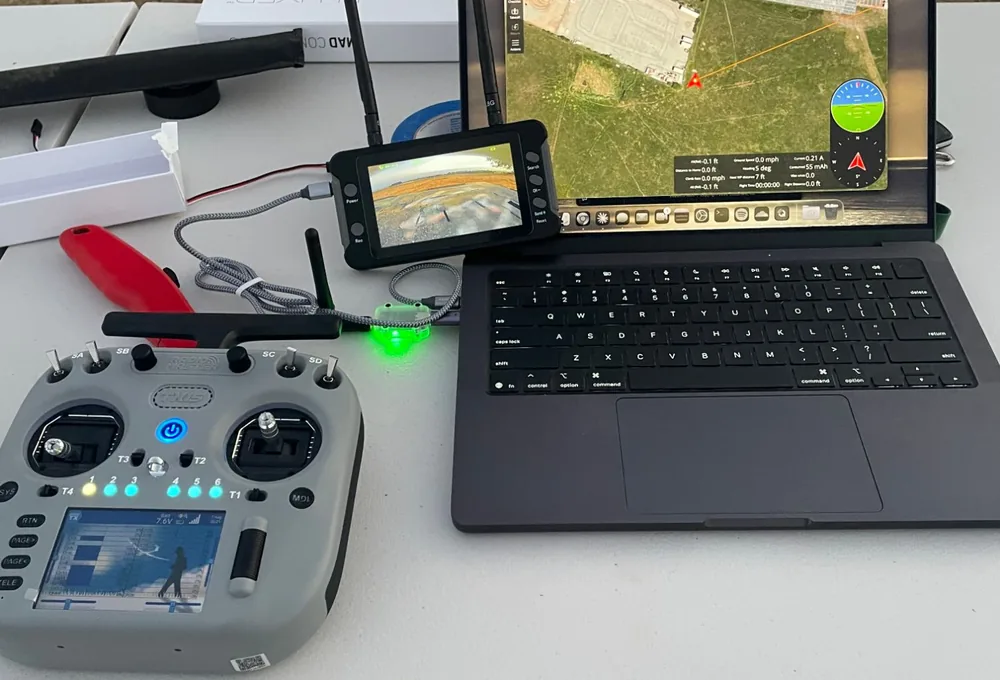
Winning teams will have the opportunity to test their drones in real-world deployment. The field-testing program will be developed in partnership with NGOs and community organizations in Africa.
In addition to delivery functions, drones may also be used or adapted later for gathering key environmental data, especially in data-sparse regions. As such, this project contributes to climate resilience efforts, public health infrastructure, and food system improvement.
Registration
Registration has not opened. Write to pasottischoenmanoscar@gmail.com.